Why Have Skyforge PC Prices Increased?
If you've been shopping for a new build lately, you may have noticed our prices have crept up over the past few months. We want to be upfront about why — because it's not us trying to pad margins, it's the cost of the parts we're putting inside your PC.
It Comes Down to Memory, Not the GPU Itself
For most of the last few years, the graphics processor was the expensive part of a graphics card. That's flipped. The video memory (VRAM) soldered around the GPU — made by Samsung, SK Hynix, and Micron — is now eating up a bigger share of a card's total cost than the chip itself.
Why? Those same three companies also make the memory that powers AI data centers, and that business pays far better per wafer than consumer gaming memory. So supply that used to go into your graphics card is increasingly getting routed into server farms instead. Less supply for gamers, higher prices for everyone.
The numbers are stark. Board partners have reportedly raised GDDR memory prices to system builders multiple times in a matter of months, with GDDR6 spot pricing roughly tripling and one supplier hiking prices twice in about six months alone. A 16GB memory module that cost around $40 a year ago is now running $170–$180, with some spot deals pushing past $200. Independent tracking from Tom's Hardware shows nearly every current Nvidia, AMD, and Intel graphics card selling well above its original launch price, and a TechSpot pricing analysis found U.S. shoppers facing some of the steepest markups worldwide.
This Isn't Just Us
This is a global, industry-wide squeeze — not a Skyforge-specific issue. Major system builders and manufacturers have been sounding the alarm all year. One major motherboard and laptop manufacturer told investors that 2026 is shaping up to be their toughest year yet, with gaming hardware prices climbing 15–30% because of the memory shortage alone.
Analysts don't expect this to resolve quickly, either. New memory fabrication capacity takes years to bring online, and most projections point to meaningful relief sometime in 2027–2028 at the earliest, as manufacturers work through existing supply agreements and slowly expand production.
It's Not Just GPUs — RAM and SSDs Are Caught in the Same Squeeze
Graphics cards are getting most of the headlines, but the same shortage is hitting system memory (RAM) and storage (SSDs) just as hard — and those parts go into every single build we sell, not just gaming rigs.
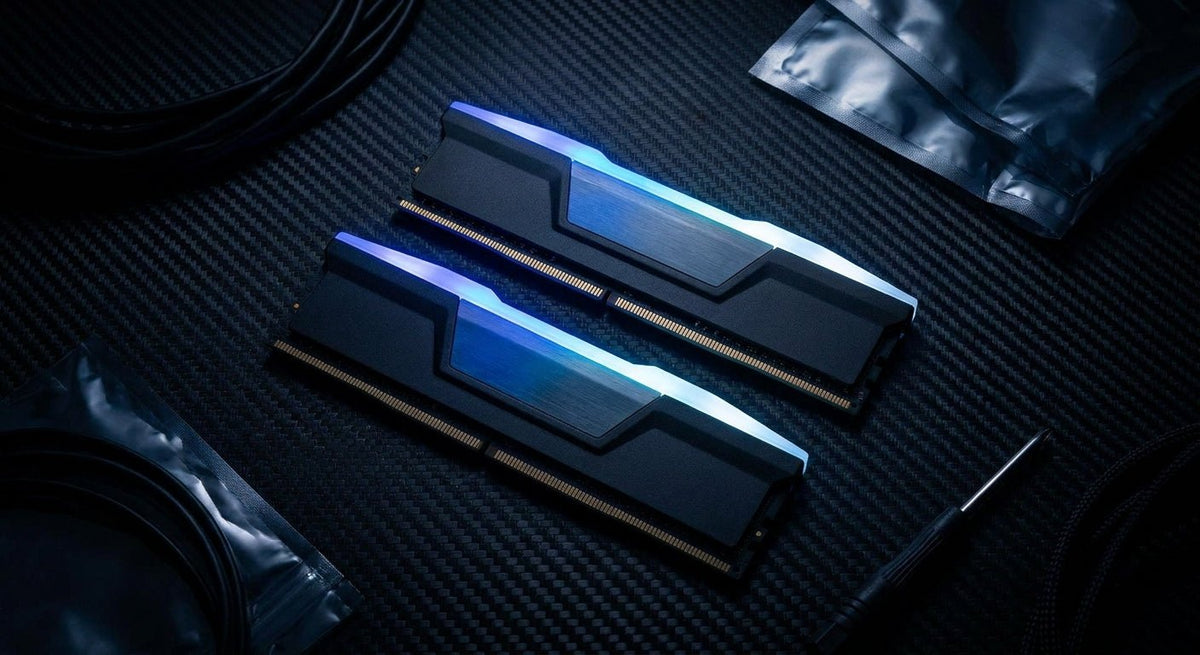
The root cause is identical: Samsung, SK Hynix, and Micron are the same three companies making DRAM for system memory and NAND flash for SSDs, and they're prioritizing AI data center orders over everything else. Contract pricing for conventional DRAM has climbed well over 100% year-over-year, and NAND flash contract prices have been rising by double-digit percentages quarter after quarter throughout 2026.
The retail impact has been just as dramatic. Consumer SSDs have roughly doubled in price since late 2025 — a 1TB drive that ran about $45 a year ago is now closer to $90, and some 2TB drives have jumped from the $150 range to $300–$400+. RAM kits have followed a similar curve, with some memory module prices more than doubling in the span of months.
Like GPUs, this isn't expected to correct itself quickly. Industry storage and memory projections covered by Forbes point to elevated pricing persisting well into 2027, as manufacturers work through existing supply contracts and slowly bring new fabrication capacity online.
What This Means for Your Build
Here's what price increases are — and aren't:
- They reflect real component costs, not a change in the quality, performance, or specs of what you're getting. A build we price today has the same engineering and support behind it as it always has.
- They vary by tier. Builds with higher-VRAM, higher-end GPUs feel the memory shortage more than entry-level configurations, so you may see a bigger jump on our higher-tier systems than on our budget-focused lineups.
- They're not permanent inflation for inflation's sake. As we source parts, we're actively looking for ways to hold the line on pricing wherever we can without cutting corners on the build quality you expect from Skyforge.
Our Commitment to You
We know a price increase is frustrating, especially if you've been saving up for a specific build. We're not raising prices because we want to — we're passing through the increased cost of components as transparently as we can, while working with our suppliers to keep our builds as competitively priced as possible.
If you have questions about pricing on a specific configuration, or want help finding a build that fits your budget given the current market, reach out to our team — we're happy to walk through options with you.
Sources
- Tom's Hardware — GPU price tracking 2026
- TechSpot — Absurd GPU Pricing Update: Mid-2026 Edition
- Forbes — Digital Storage and Memory Projections for 2026